
What are Rare Cannabinoids? A Clear Guide to Minor Cannabinoids in Hemp
Posted by Rare Cannabinoid Company on Jan 12th 2026
This guide to rare cannabinoids was first published in April 2020. Last updated in September 2026.
CBD may be the most widely recognized cannabinoid, but it is only one part of a much larger picture. Hemp naturally contains more than 100 cannabinoids, many of which occur in much smaller amounts than CBD or THC. These lesser-known compounds are commonly referred to as rare cannabinoids, or minor cannabinoids, and interest in them has grown rapidly in recent years.
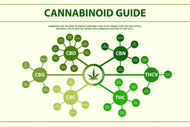
As research expands and extraction methods improve, rare cannabinoids like THCV, CBG, CBN, CBC, and CBDV are becoming more accessible. Each has distinct characteristics, and many people are now exploring how these cannabinoids can fit into everyday wellness routines.
This guide explains what rare cannabinoids are, how they differ from CBD and THC, and why they are becoming such an important part of the hemp conversation.
What Are Rare Cannabinoids?
Rare cannabinoids are naturally occurring compounds found in hemp in very small concentrations. While CBD and THC often make up a significant portion of the plant’s cannabinoid content, rare cannabinoids may represent anywhere from a fraction of a percent to just a few percent of the total plant makeup.
Because these compounds appear in such small amounts, they were difficult to isolate for many years. Recent advances in plant genetics, cultivation, and extraction have made it possible to produce rare cannabinoids in purified, consistent forms, allowing for broader study and consumer use.
Commonly discussed rare cannabinoids include CBC, CBDV, CBG, CBN, and THCV.
How Cannabinoids Interact With the Body
Cannabinoids interact with the body through the endocannabinoid system, often referred to as the ECS. This system is involved in maintaining balance across many everyday functions related to mood, stress response, sleep cycles, appetite signals, and general physical comfort.
The ECS includes cannabinoid receptors, endocannabinoids that the body produces naturally, and enzymes that help regulate these interactions. Different cannabinoids interact with the ECS in different ways, which helps explain why each compound is associated with a distinct experience.
CBD and THC are the most studied cannabinoids in this system, but research into minor cannabinoids is steadily expanding. Many people now explore combinations of cannabinoids rather than relying on a single compound alone.
Why Rare Cannabinoids Are Gaining Attention
Interest in rare cannabinoids has grown for several reasons:
-
Improved extraction methods now make them more available
-
Consumers are seeking more tailored cannabinoid experiences
-
Research is expanding beyond CBD and THC
-
Many people prefer targeted formulations over one-size-fits-all products
Rather than focusing on intensity, rare cannabinoids are often explored for how they may complement or balance other cannabinoids when used together.
An Overview of Common Rare Cannabinoids
Below is a high-level overview of several rare cannabinoids and how they are commonly discussed in research and consumer use. This information is educational only and reflects general wellness-oriented descriptions rather than medical claims.
THCV (Tetrahydrocannabivarin)
THCV is structurally similar to THC but behaves quite differently. It is often described as more stimulating and clear-headed, improving focus and attention span. In addition to its energizing properties, THCV also offers appetite control and reduces food cravings, making it helpful for fitness and weight loss efforts.
CBN (Cannabinol)
CBN is a cannabinoid that forms as THC naturally ages. It is most often associated with evening or nighttime routines and is frequently chosen by people looking to fall asleep more quickly or stay asleep without nightime awakenings. Unlike pharmaceutical sleep aids, CBN helps with waiking up feeling rested instead of groggy.
CBG (Cannabigerol)
CBG is sometimes referred to as the “mother” cannabinoid because many other cannabinoids originate from it during plant development. CBG offers gentle relief for sore or stiff joints as well as over-used muscles and occassional swelling. CBG is also calming and offers emotional support.
CBC (Cannabichromene)
CBC is a non-intoxicating cannabinoid that has drawn interest for its ability to enhance one's mood. It is frequently discussed alongside concepts like motivation, creativity, general emotional balance and enhancing positive outlooks on life.
CBDV (Cannabidivarin)
CBDV is structurally similar to CBD but interacts with the body in its own unique way. It is often associated with social ease, enhanced memory, and reduced irritability. CBDV is also being studied in association with autism spectrum disorder.
CBD (Cannabidiol)
CBD remains one of the most widely used cannabinoids. It is commonly associated with calm, balance, and stress resilience and is often used as a foundational cannabinoid in multi-cannabinoid formulations.
Delta-9 THC (Delta-9-Tetrahydrocannabinol)
Delta-9 THC is the primary psychoactive cannabinoid found in hemp-derived products that meet federal guidelines. At low doses, it is often used for relaxation and to enhance the overall experience of other cannabinoids when combined thoughtfully.
What About Terpenes?
In addition to cannabinoids, hemp contains aromatic compounds called terpenes. Terpenes contribute to aroma and flavor, but they are also known to influence how cannabinoids are experienced.
For example, linalool is a terpene found in both hemp and lavender and is commonly associated with calming, evening-oriented routines. .
How the Entourage Effect Shapes Cannabinoid Experiences
Rather than relying on a single cannabinoid, many people choose formulations that combine multiple cannabinoids together. This approach is often referred to as the entourage effect, a term used to describe how cannabinoids and other hemp compounds can interact and shape the overall experience when taken together.
Instead of one compound acting on its own, thoughtfully paired cannabinoids can complement one another. This makes it easier to align different combinations with different moments of the day, whether that means feeling more social in the evening or easing into a restful nighttime routine.
Within the Rare Cannabinoid Company Mood collection, these combinations are used intentionally. CBC is paired with CBD and a low or moderate dose of THC to create an experience that many people associate with improved mood and a relaxed, social feel. This type of blend is reflected in Mood Gummies, where CBC adds a mood-boosting quality, CBD provides balance, and THC helps round out the overall experience.
For nighttime routines, a different combination is often preferred. CBN is commonly paired with CBD and THC in blends designed for evenings, when slowing down is the goal. CBD is frequently included for its calming presence, CBN is associated with sleep, and THC contributes a gentle, blissful element that enhances dreams. This type of pairing can be found in THC + CBN Gummies, which are often chosen as part of a consistent nighttime wind-down ritual.
Other combinations are often explored earlier in the day. THCV is frequently paired with CBD for daytime use, while CBD and CBG together are commonly used as part of mental and physical wellness routines and for exercise recovery.
These cannabinoid pairings are not about targeting specific outcomes, but about creating experiences that feel aligned with different lifestyles, schedules, and personal preferences.
Choosing the Right Cannabinoids for You
Because everyone’s body and preferences are different, there is no single cannabinoid or combination that works best for everyone. Many people start by identifying when they want support, such as daytime focus, evening relaxation, or nighttime rest, and then explore cannabinoids that align with those moments.
For those who want help navigating these options, cannabinoid selection tools and educational resources can be a useful starting point.
How Rare Cannabinoids Are Typically Taken
Rare cannabinoids are available in several familiar formats, including oils, gummies, and other edible products. Some people prefer tinctures for flexibility, while others choose gummies for convenience and consistency.
Because rare cannabinoids are often used as part of a broader routine, many people adjust formats and combinations based on their daily needs.
Quality, Transparency, and Testing
When exploring rare cannabinoids, quality and transparency matter. Products made in certified facilities and verified through third-party testing help ensure consistency and clarity about what is included in each formulation.
Clear labeling and accessible lab reports allow consumers to make informed decisions and better understand how different cannabinoids fit into their routines.
Final Thoughts on Rare Cannabinoids
Rare cannabinoids represent an expanding area of interest within the hemp space. As research continues and access improves, these minor cannabinoids are becoming a meaningful part of how people approach cannabinoid-based wellness.
By understanding how rare cannabinoids differ from CBD and THC, and how they may be combined thoughtfully, consumers can explore more personalized and intentional experiences.Over the last few years, CBD has become a household name. From tinctures to edibles and CBD creams, people are utilizing the natural compound. In fact, one in one-thirds of Americans use products containing CBD, according to a recent survey. In addition to CBD oil, hemp contains rare cannabinoids, including CBG, CBN, and THCV. But, what are rare cannabinoids and what are their effects?
CBD (cannabidiol) is a non-psychoactive compound in cannabis and hemp plants. THC (delta-9-tetrahydrocannabinol) on the other hand, is a psychoactive compound – in other words, the part of the plant that gets you high. THC and CBD both work via a system called the human endocannabinoid (EC) system. This system is a unique communications system that affects many important functions of both the brain and the body. However, cannabis and hemp contain many more compounds than just THC and CBD.
What are rare cannabinoids and terpenes?
In addition to CBD and THC, scientists believe that there are dozens other cannabinoids as well as aromatic oils called terpenes. These other compounds are rare – or minor – cannabinoids and researchers say each may offer a different health or wellness benefit.
Rare cannabinoids are rare because they occur in much smaller quantities than CBD and THC. A rare cannabinoid will make up just 0.01% to 10% of the total mass of the plant. Due to their scarcity, it was extremely difficult to isolate them until very recently.
Fortunately, over the last couple years, advances in genetics and extraction processes have made it possible to separate out a some of these rare cannabinoids, namely CBC, CBDA, CBDV, CBG, CBGA, CBN and THCV.
Due to the prohibition of cannabis for so many years, research into the potential benefits of these rare cannabinoids is only in its infancy, but initial findings are extremely promising.
How the endocannabinoid system works
The endocannabinoid system consists of at least two cannabinoid receptors, CB1 (located mostly in the brain and nervous system) and CB2 (found throughout the body), and two key endocannabinoids, anandamide and 2-arachidonylglycerol (2-AG), as well as enzymes. Different cannabinoids have different effects depending on which receptors they bind to. This system is responsible for keeping our mental and physical health in balance as it affects hormones, hunger, stress, sleep, mood and more. This understanding is what underpins all of cannabis medicine.
Synthetic cannabinoid medicines, including Marinol, Nabilone, and Rimonabant have also been manufactured to bind to specific receptors for specific effects. While they have proven effective, natural cannabinoids, especially when taken in combination with each other to provide the “entourage effect,” are being looked at more closely now that hemp regulations have eased. Natural cannabinoids may also have fewer negative side effects in some cases. For example, pharmaceutical drug Rimonabant was used as an anti-obesity drug but was pulled from the market for causing depressive side effects. Meanwhile, THCV (tetrahydrocannabivarin) has been found to suppress hunger in a similar way to Rimonabant with far less risk of causing low mood. See the study here.
In addition to cannabinoids, hemp, cannabis and other plants also contain terpenes. Terpenes are aromatic oils that also exert different effects on our mental and physical states. For example, linalool is in hemp, cannabis and lavender plants. It contributes to lavender’s scent and offers relaxing, sleep-promoting properties. It also does the same in cannabis and hemp. By isolating terpenes such as linalool, they can be combined to intensify certain desired outcomes.
What do rare cannabinoids and terpenes do?
Each rare cannabinoid and terpene offers unique benefits. Below is a very brief explanation of the primary benefits of each one. Please click on the cannabinoid name for more information. Each product page has a section listing scientific studies into each cannabinoid.
THCV: Increases energy and reduces hunger. Is also being studied for weight loss and addiction to nicotine and other drugs.
CBN: Promotes rest, relaxation, and sleep.
CBG: May reduce discomfort, soreness and support joint health.
CBGA: Supports a healthy immune system.
CBC: May improve and enhance mood by raising levels of the brain’s “bliss” molecule anandamide.
CBDA: Reduces temporary nausea and discomfort.
CBDV: Promotes sociability and memory while reducing irritability.
CBD: Promotes stress resilience, a sense of calm, and may reduce soreness from daily activities.
Delta-9-THC: Relieves discomfort and occasional nausea while promoting relaxation and euphoric feelings.
Which cannabinoids are right for me?
Not sure which rare cannabinoid or combination of hemp / cannabis compounds will help you most?
Take our one-minute Cannabinoid Finder Quiz and find out! You will also receive a coupon code for your choice of 10 free gummies (up to $25 value).
For more specific needs, we encourage our customers to talk to a licensed physician trained in cannabis and do extensive online research to find out how specific cannabinoids may help with their specific ailments or overall wellness. Please be aware that cannabinoids may interact with prescription medications and discuss this potential risk with your healthcare provider.
For people who would like personalized, in-depth information, we also have a map and list of independent cannabinoid health advisors. These are doctors, nurses, and clinicians trained in cannabis, hemp, cannabinoids, terpenes, and are familiar with our Rare Cannabinoid Company products. Many offer both in office and phone or video appointments. Find a cannabinoid advisor here.
How to take rare cannabinoids
Our goal is to provide you with the tools to control your cannabinoid intake. With our apothecary line of single extracts, enhanced full spectrum CBD blends, extra strength cannabinoid gummies and THC gummies, you can add exactly as much CBN, THCV, CBG, CBC, CBDA, CBDV, CBD, or THC as you like to your daily wellness regime. Our products put you in control and you can even change up your mix depending on your mood and daily physical requirements.
Here are the three ways to take cannabinoids and terpenes:
- The Apothecary: Order one or more bottles of pure rare cannabinoid oils to enhance specific benefits of our full spectrum Rare Hawaiian CBD or your own favorite CBD or THC products.
- Extra Strength Gummies: High potency gummies. Each tasty gummy has 30mg CBN, 30mg CBG, 30mg CBD or 12.5mg THCV. CBN, CBG, and THCV gummies also contain 10mg CBD each.
- THC Gummies: Our THC gummies contain the same ingredients as our extra strength THCV, CBN, and CBG gummies, plus Delta-9-THC for amplified effects. We also offer Mood Gummies. Each Mood Gummy contains 5mg Delta-9-THC, 5mg CBC oil, and 10mg CBD oil. The newest addition to our Mood line up is Mood Mints. They use nanoemulsified THC, CBC, and CBD for fast-acting effects.
All of our products are produced in a Certified Good Manufacturing Facility and you can see our third-party lab reports for every batch of every product here. Therefore, you know that what our products say on the bottle is what’s inside.